With rapid urban development, noise pollution has become a growing concern—especially in busy cities and residential areas near roads or commercial zones. Continuous exposure to high noise levels can negatively impact sleep quality and overall well-being. As a result, choosing the right fencing solution is more important than ever.
In this guide, we will explore how TRwpc Composite fencing can help create a quieter, more comfortable outdoor space, while also enhancing your property’s aesthetics and durability.
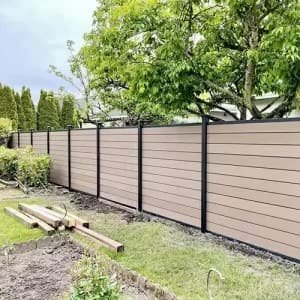
What is Composite Fencing?
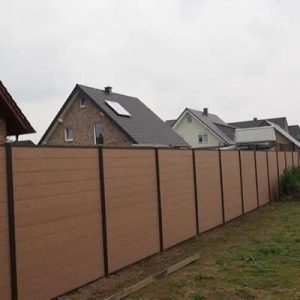
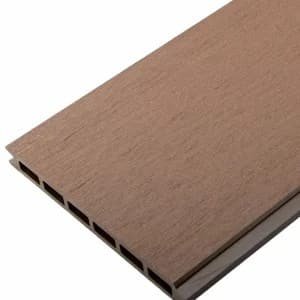
WPC Composite fencing (Wood Plastic Composite fencing) is an advanced outdoor fencing solution designed to reduce unwanted environmental noise while offering long-term durability. Unlike traditional wood or metal fences, TRwpc composite panels are engineered with dense materials that help block and absorb sound from external sources such as traffic, neighbors, and urban activity.
High-quality Composite fencing panels can significantly lower noise levels, helping transform your garden, patio, or backyard into a peaceful retreat.

WPC Composite Fencing vs Traditional Fencing
1. Density and Structure
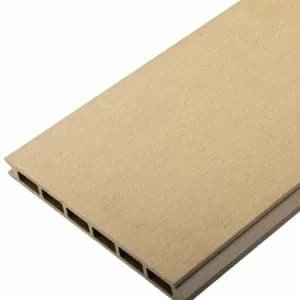
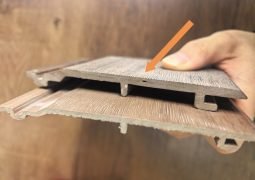
One of the key differences lies in the structure. WPC Composite fencing is typically thicker and more solid than standard fencing options. This dense composition helps reduce sound transmission more effectively compared to lightweight or hollow panels.
2. Seamless Design
Traditional fences often have gaps or spacing between boards, allowing noise to pass through easily. In contrast, composite fencing systems are designed with tight interlocking structures such as tongue-and-groove boards, minimizing openings and improving sound insulation performance.
3. Durability and Maintenance
Besides noise reduction, WPC Composite fencing offers excellent resistance to moisture, UV exposure, and weathering—making it a superior long-term investment compared to wood fencing.


Key Factors That Influence Noise Reduction
Fence Height
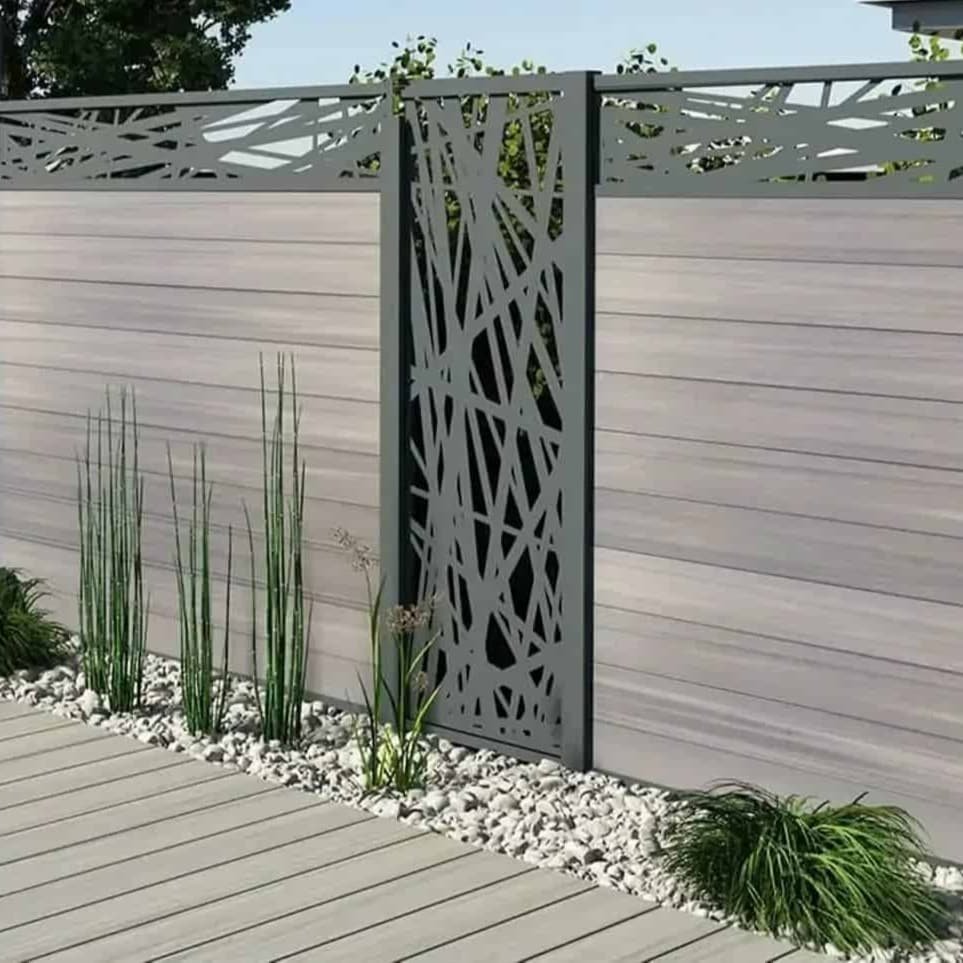
Height plays a crucial role in blocking sound. Taller fences generally provide better noise reduction. For optimal performance, Composite fencing panels (e.g., TR Series models) are recommended to be installed at heights of 6 feet (1.8m) or more, depending on local regulations.
Fence Positioning
Placement is just as important as material. Installing your composite fence closer to the noise source—such as a road or neighboring property—can significantly improve its effectiveness.
Alternatively, placing fencing near relaxation zones like patios or gardens can create quieter living areas by increasing the distance noise must travel.
Panel Construction
Sound can pass through even the smallest openings, so a well-designed fence must be as airtight as possible. WPC fencing systems feature solid, impermeable surfaces that minimize sound leakage and maximize noise absorption.

Why Choose TRwpc WPC Composite Fencing?
- Excellent noise reduction performance
- Strong, durable, and weather-resistant materials
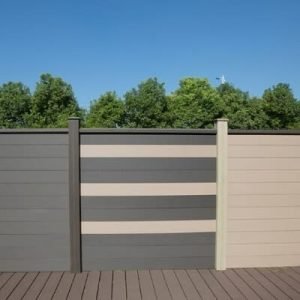
- Modern and natural wood-like appearance
- Low maintenance and long lifespan
- Eco-friendly and sustainable solution
Whether you are dealing with traffic noise or simply want more privacy, WPC Composite fencing provides an ideal balance of functionality and style.
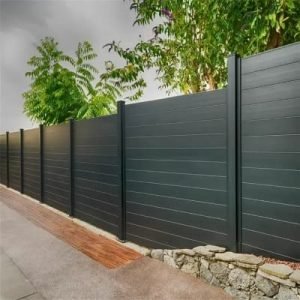
TRwpc acoustic fencing panels
Conclusion
Creating a quiet outdoor environment is no longer a luxury—it’s a necessity in modern living. By choosing Composite fencing, you can effectively reduce noise pollution while upgrading the look and value of your property.
With the right height, placement, and panel design, TRwpc fencing solutions can deliver outstanding performance for residential, commercial, and landscaping projects.
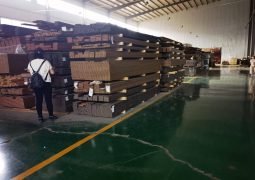
If you are looking for a reliable China WPC Composite fencing supplier, TRwpc offers a full range of TR series fencing panels tailored to meet global market demands.