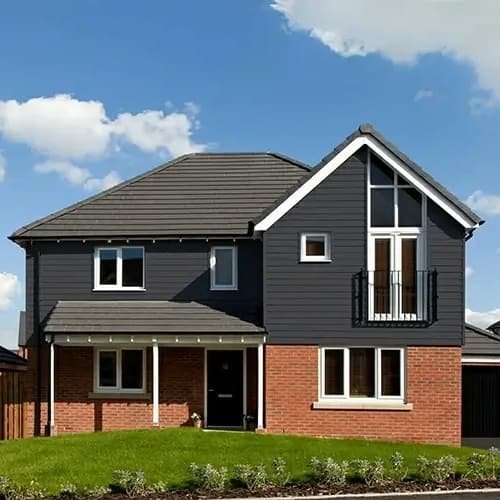
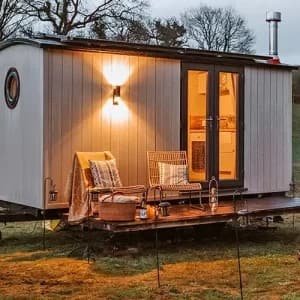
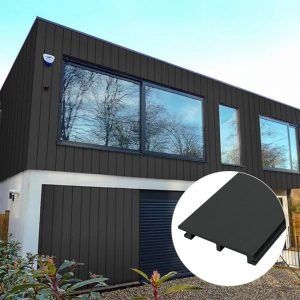
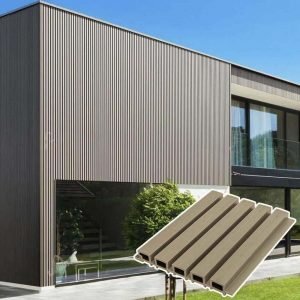
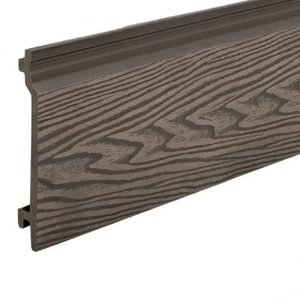
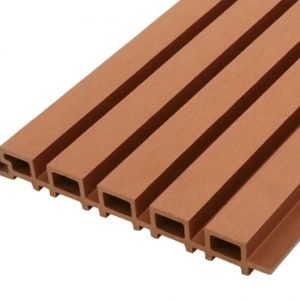
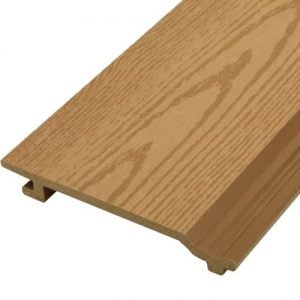
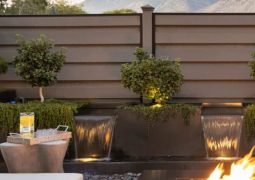
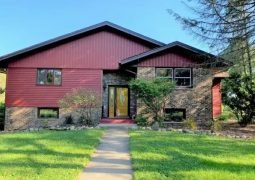
Wall cladding refers to the outer protective layer of a building, playing a vital role in both appearance and performance. WPC wall cladding has become a popular exterior solution because it not only enhances architectural design with a natural wood-style finish, but also protects buildings from harsh environmental conditions.
Manufactured from a blend of approximately 60% wood fiber, 30% HDPE, and performance-enhancing additives, WPC exterior wall cladding offers the perfect balance between aesthetics and durability. In this guide, we’ll walk you through the key benefits, practical applications, and everyday care tips for WPC wall cladding—helping you fully understand why it’s one of the most reliable modern cladding materials.

-
Why Choose WPC Wall Cladding?
WPC wall cladding combines the visual warmth of timber with the strength and stability of engineered composites. This unique structure makes it suitable for a wide range of residential and commercial exterior wall projects.
1. Exceptional Durability
Compared to traditional wood siding, WPC wall panels are far more resistant to dents, cracking, and surface damage. They are designed for long-term outdoor use, maintaining structural integrity even under constant exposure.
2. Sustainable & Eco-Friendly
Produced using recycled plastic and reclaimed wood fibers, WPC wall cladding is an environmentally responsible building material. It supports sustainable construction practices while reducing reliance on natural timber.
3. 100% Waterproof Performance
Unlike natural wood that absorbs moisture and swells over time, composite wall cladding is completely waterproof. This makes it ideal for exterior facades, coastal areas, and regions with heavy rainfall.
4. All-Weather Resistance
WPC exterior cladding panels are engineered to withstand extreme climates, including intense UV exposure, freezing temperatures, wind, rain, and snow—without warping, fading, or rotting.
5. Safe & Chemical-Free
High-quality WPC wall cladding contains no harmful substances such as lead, formaldehyde, or methanol, making it a safe option for both residential homes and commercial buildings.
6. Termite & Pest Resistant
Unlike natural timber, composite cladding does not attract termites or insects, ensuring long-lasting protection without the need for chemical treatments.
7. Fire-Retardant Properties
Thanks to its composite structure, WPC wall cladding offers enhanced fire resistance compared to traditional wood, increasing overall building safety.
8. Anti-Corrosion Design
Because the panels do not absorb water, corrosion and internal decay are effectively prevented, even in humid or wet environments.

Applications of WPC Exterior Wall Cladding
WPC wall cladding is widely used across various architectural projects, including:
-
Exterior walls of villas, cottages, and residential homes
-
Hotels, cafés, restaurants, and shopping centers
-
Garden walls, patios, balconies, and outdoor feature walls
-
Commercial buildings requiring low-maintenance facade solutions
Its versatility in color, texture, and profile design allows architects and homeowners to achieve modern, classic, or natural styles with ease.
Easy Care & Low Maintenance
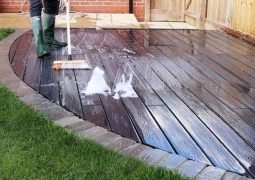
One of the biggest advantages of WPC wall cladding is its minimal maintenance requirement. No painting, sealing, or sanding is needed. Routine cleaning with water and mild detergent is sufficient to keep the surface looking fresh for years—saving time, labor, and long-term costs.
Conclusion
WPC wall cladding is a smart investment for anyone seeking a durable, eco-friendly, and visually appealing exterior wall solution. With outstanding weather resistance, long service life, and minimal upkeep, it stands out as a superior alternative to traditional wood cladding.
Whether for residential or commercial projects, WPC exterior wall cladding delivers reliable performance, modern aesthetics, and long-term value.


How to Care for and Maintain WPC Wall Cladding
Proper maintenance plays a key role in maximizing the service life of WPC wall cladding and minimizing long-term replacement or repair costs. Although WPC composite wall panels are engineered for durability and low maintenance, routine cleaning helps preserve their appearance and performance, especially in outdoor environments.
Below is a simple and effective cleaning process recommended for daily and seasonal maintenance of WPC exterior wall cladding:
-
Prepare a gentle cleaning solution by mixing clean water with a mild household detergent.
-
Use a soft cloth, sponge, or non-abrasive brush to remove surface dust, stains, and accumulated debris.
-
Rinse the cladding panels thoroughly using a garden hose or moderate-pressure water spray.
-
Avoid stiff or metal brushes, as rough tools may damage the surface texture or wood-grain finish of the composite panels.
With regular care, WPC wall cladding boards can retain their original color, texture, and structural integrity for many years, making them an ideal choice for modern residential and commercial exterior wall applications.