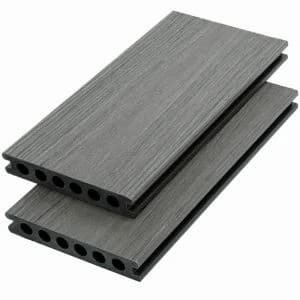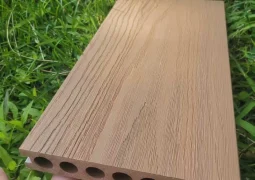

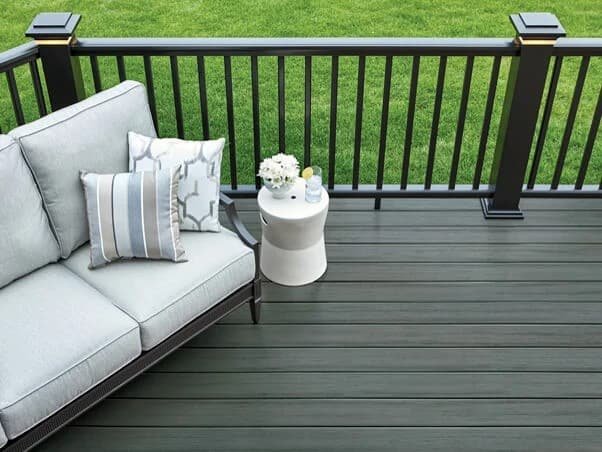
Composite wood for decking, made from wood fiber and recyclable plastic, still faces expansion and contraction, but less than wood because of its good moisture and weather resistance. DNwpc always offers you durable composite wood decking for outdoor decoration.
When planning an outdoor deck project, one important question many homeowners, builders, and contractors ask is whether composite wood for decking will expand and contract after installation. The answer is yes — but compared with traditional timber, the movement of WPC composite decking is much smaller and much easier to control.
As a professional WPC decking manufacturer and composite decking supplier in China, TRwpc provides high-quality wood plastic composite decking designed specifically for long-term outdoor environments. With proper installation and correct spacing, composite decking can remain stable and beautiful for many years.
Why Outdoor Decking Expands And Contracts
All outdoor building materials react to environmental conditions. Changes in humidity, rain, sunlight, and temperature can affect the dimensions of decking materials to some degree.
Traditional wood is heavily influenced by moisture. In humid environments, timber absorbs water from the air and expands. During dry seasons or hot weather, it loses moisture and shrinks. Over time, repeated expansion and contraction may cause cracking, warping, splitting, or loose fasteners.
This is one of the major reasons why many customers now prefer WPC outdoor decking instead of natural wood.
Does Composite Decking Expand?
Although composite decking boards are much more stable than timber, they are not completely motionless materials. Because wood plastic composite decking contains recycled plastic components, temperature changes can still cause slight expansion and contraction.
During hot weather, composite deck boards may expand slightly in length and width. In colder temperatures, the boards may contract slightly. However, this movement is usually controlled and predictable when proper installation guidelines are followed.
Unlike traditional wood, high-quality composite outdoor decking absorbs very little moisture. Even after long exposure to rain or wet conditions, the water absorption rate remains extremely low. This greatly reduces swelling problems caused by humidity.
For outdoor projects in areas with strong sunlight, heavy rain, snow, or seasonal temperature differences, this improved dimensional stability is a major advantage.
Why Proper Installation Matters
Even the best composite decking needs correct installation spacing. This allows the deck boards enough room to naturally adjust to temperature changes without creating pressure between boards.
Professional installers usually leave expansion gaps between the ends of deck boards, depending on the local climate and installation temperature.
For example:
- Cold-weather installations normally require larger gaps
- Warm-weather installations use medium spacing
- Hot weather installations can use slightly smaller gaps
TRwpc recommends using professional hidden fastening systems with T-clips and stainless screws to ensure proper spacing and secure fixing. Hidden fasteners not only improve appearance but also help reduce surface stress caused by expansion and contraction.
Compared with traditional nail fixing methods used for timber decks, hidden clip systems provide better long-term stability for WPC decking boards.
Temperature Has More Impact Than Moisture
One common misunderstanding is that composite decking expands mainly because of water. In reality, temperature is usually the bigger factor.
Since synthetic decking contains plastic materials, heat causes slight expansion, while cooler weather causes slight shrinkage. However, modern manufacturing technology has greatly improved stability.
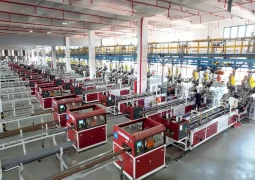
TRwpc uses advanced extrusion production technology and strict material formulas to reduce unnecessary movement while maintaining excellent durability and weather resistance.
This is especially important for large outdoor areas such as:
- Garden decks
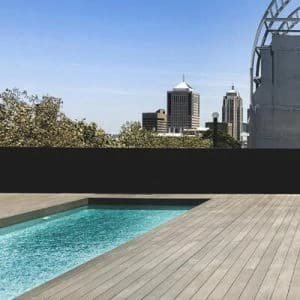
- Pool decking
- Rooftop terraces
- Commercial walkways
- Outdoor restaurants and cafes
- Balcony flooring
- Resort and hotel projects
Co Extrusion Decking Offers Better Stability
For customers looking for premium outdoor performance, co-extrusion decking is often the preferred choice.
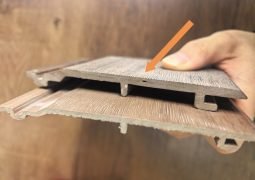
Co-extruded decking adds an additional protective layer around the composite core. This outer layer helps improve resistance against UV rays, moisture, stains, scratches, and temperature fluctuations.
TRwpc’s capped decking products are engineered to work in extreme outdoor climates from cold winter environments to high-temperature summer regions. The protective surface also helps reduce fading and improve long-term dimensional stability.
Compared with traditional timber decking, capped WPC composite decking requires much less maintenance while maintaining a modern wood appearance.
How To Reduce Expansion Problems
A properly installed deck should always include several important details:
First, always allow enough expansion gaps between deck boards. Tight installation without spacing can create pressure when temperatures rise.
Second, use a stable substructure and professional installation accessories. Hidden clips and proper joist spacing help improve the overall stability of the deck system.
Third, avoid installing boards under extreme midday temperatures whenever possible. Early morning or moderate weather conditions usually provide more accurate installation spacing.
Finally, choose products from reliable composite decking manufacturers that use stable material formulas and advanced production technology.
Low-quality decking products often contain inconsistent raw materials, which can lead to greater expansion, fading, or deformation over time.
Composite Decking Vs Wood Movement
Compared with timber, WPC decking products provide several important advantages regarding expansion and contraction:
Natural wood absorbs large amounts of moisture and changes shape significantly over time. It may crack, split, twist, or rot under harsh outdoor conditions.
By comparison, high-quality composite decking remains more stable because of its low water absorption and engineered structure.
This makes composite decking especially suitable for wet or high-humidity environments such as swimming pool areas, coastal projects, rainy regions, and garden landscaping.
A More Stable Outdoor Decking Solution
Outdoor flooring materials will always react slightly to environmental conditions, but wood plastic composite decking performs far better than traditional wood in terms of dimensional stability and weather resistance.
With correct spacing, professional installation, and reliable products, expansion and contraction will not affect the long-term beauty or safety of your outdoor deck.
As an experienced WPC decking supplier and wood plastic composite supplier, TRwpc offers a complete range of outdoor decking solutions, including hollow decking, solid decking, deep embossed decking, and premium co-extrusion decking systems.
Our products are widely used in residential gardens, commercial outdoor spaces, swimming pool projects, hotels, balconies, parks, and landscape engineering worldwide.
If you are looking for durable, low-maintenance, and weather-resistant composite decking boards, TRwpc can provide professional support and customized outdoor solutions for your project.