How to Choose the Best Non-Slip Composite Decking for Outdoor Spaces

Choosing the right outdoor decking can be challenging with so many materials and surface options available on the market. When safety is a top priority—especially around pools, gardens, balconies, and high-traffic areas—non-slip composite decking becomes one of the most reliable solutions.

Anti-slip WPC decking is engineered with enhanced surface textures and moisture resistance, helping outdoor areas remain safe for walking, playing, and relaxing. While no decking material can be 100% slip-proof in every condition, understanding the key factors that influence slip resistance will help you make a smarter decision.

In this guide, we explain how to select high-performance non-slip composite decking based on surface texture, resistance to mold and mildew, and correct installation direction.
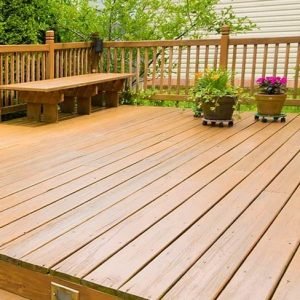
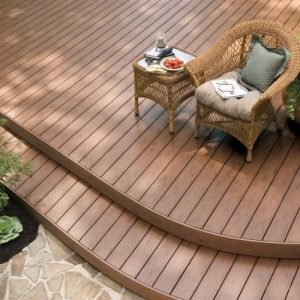
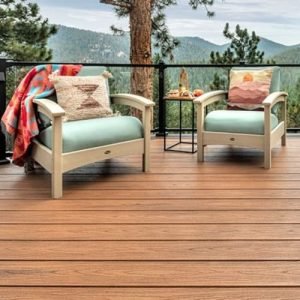
Wpc Decking For Terrace
Non Slip Composite Decking

Surface Texture: Grooved Decking vs. Wood Grain Finish

The surface profile of composite decking plays a crucial role in traction and overall safety. TRwpc non-slip decking is available in two popular finishes:

  • Natural wood grain finish

  • Grooved anti-slip finish

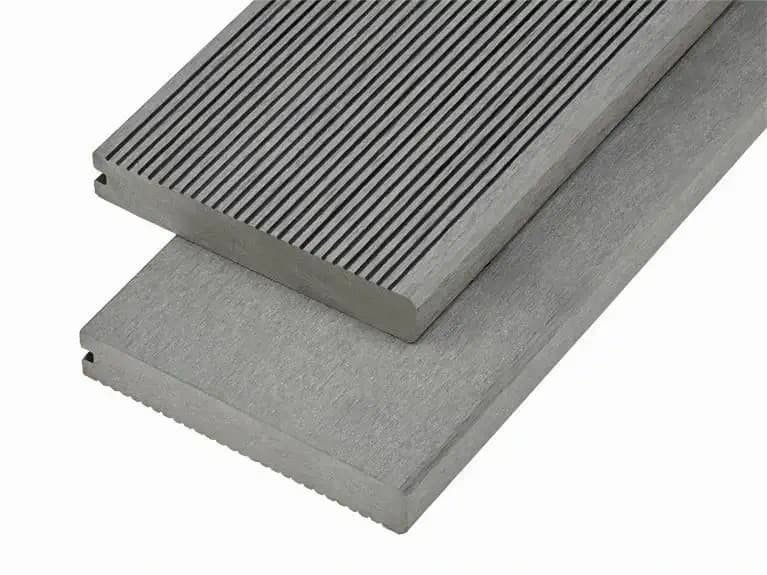
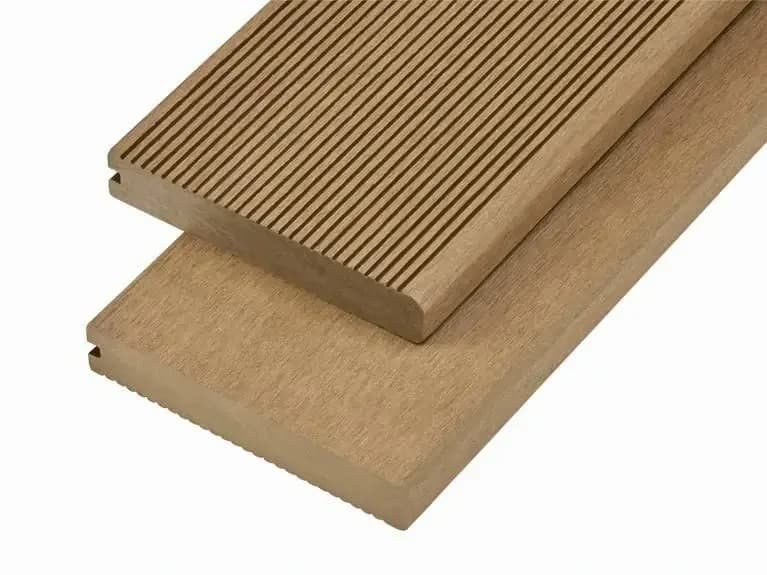
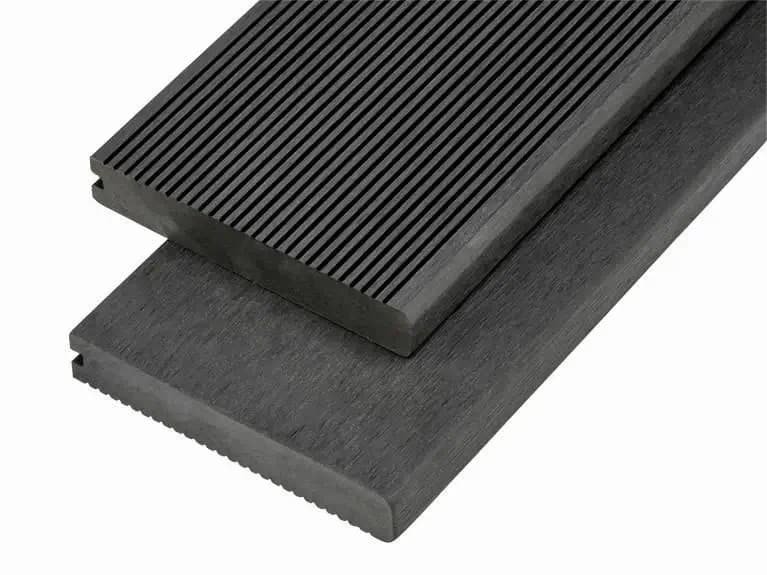
Wood grain composite decking features deep embossed textures that mimic real timber and provide basic slip resistance. However, grooved composite decking, with its linear channels, delivers noticeably stronger grip underfoot—especially in wet or humid environments.

From a safety perspective, grooved WPC decking consistently outperforms wood grain surfaces, making it the preferred option for areas exposed to water, rain, or frequent foot traffic.

In addition, traditional (uncapped) composite decking often offers higher slip resistance than capped decking. The reason is simple: uncapped boards typically feature rougher, higher-friction surfaces, while capped decking prioritizes stain resistance and ease of cleaning.

Wpc Decking
Anti Slip Composite Decking

Resistance to Mold, Mildew, and Moisture

Slip resistance is not only about texture—it is also affected by biological growth. Moisture buildup can encourage mold, mildew, and algae, which significantly increase the risk of slipping on outdoor floors.

High-quality anti slip composite decking is manufactured using moisture-resistant materials that prevent organic growth from penetrating the board. Unlike natural timber, WPC decking does not absorb water, which helps keep the surface cleaner, drier, and safer over time.

Thanks to its engineered composition, non-slip WPC decking maintains stable traction throughout its service life, even in damp or shaded outdoor environments.

WPC Decking
Best Non Slip composite decking

Deck Board Installation Direction Matters

The way composite decking boards are installed has a direct impact on slip performance. Tests show that traction varies depending on whether boards are laid parallel or perpendicular to foot traffic.

For optimal safety, non-slip composite decking should be installed perpendicular to the main walking direction. This layout allows grooves or textures to work more effectively against slipping.

We strongly recommend considering foot traffic flow during the project planning stage to maximize the anti-slip performance of your outdoor decking system.

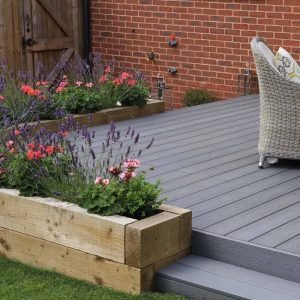
Wpc Decking For Porch
Slip Resistant Composite Decking

Recommended Non-Slip Composite Decking Solutions

By combining textured surfaces, moisture resistance, and correct installation methods, non-slip WPC decking provides a long-lasting, low-maintenance, and safety-focused flooring solution for residential and commercial outdoor spaces.

TRwpc non-slip composite decking is widely used for:

  • Gardens and backyards

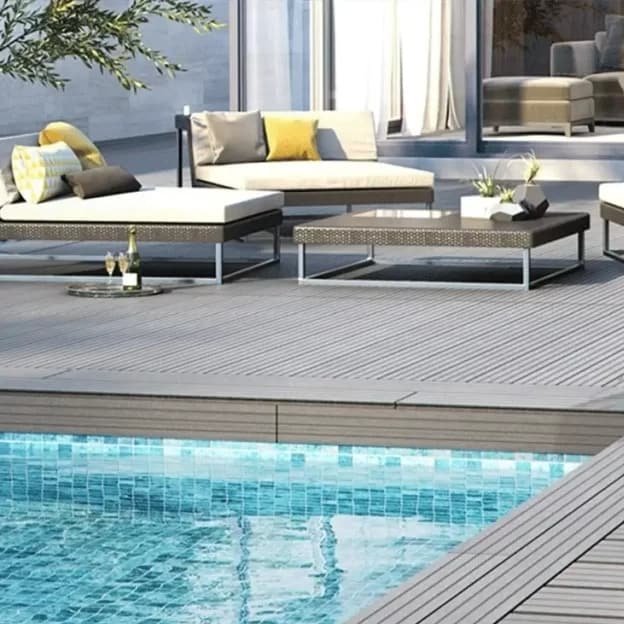
  • Pool surrounds

  • Balconies and terraces

  • Walkways and outdoor leisure areas

Solid Bullnose Composite Decking 1
Lightgrey Non Slip Composite Decking
Solid Bullnose Composite Decking
Teak Non Slip Composite Decking
Solid Bullnose Composite Decking
Grey Non Slip Composite Decking

Contact Us

More To Explore

Your Trusted Partner in China

Get in Touch