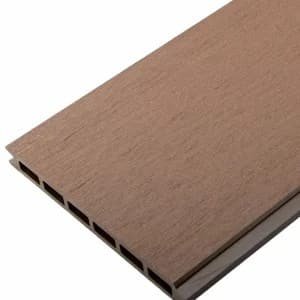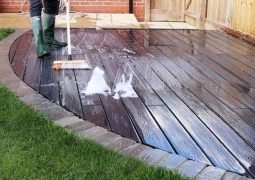

Essential Care Tips for Composite Fencing Systems

Essential Care Tips for Composite Fencing Systems

Composite fencing has become a popular alternative to traditional wood fences thanks to its durability, modern appearance, and reduced maintenance requirements. Designed to outperform natural timber, composite fence panels offer long-term stability and visual appeal, making them an excellent choice for residential, commercial, and outdoor applications.

While composite fences are widely recognized as low-maintenance fencing solutions, they are not completely maintenance-free. Proper cleaning and basic care will help preserve their appearance, performance, and lifespan for many years.

This guide explains how to properly clean and maintain composite fences, covering common issues such as dirt buildup, chalk residue, grease stains, and mold growth.


Do Composite Fences Require Maintenance?

The answer is simple: yes, but very little.
Composite fencing requires significantly less upkeep than traditional wood fencing, yet periodic cleaning is still recommended. Routine maintenance—usually once a month or seasonally—helps maintain the fence’s original color, surface finish, and overall structural integrity.

Painting or staining composite fences is generally unnecessary and not advised, as composite materials are engineered with built-in color and protective layers.
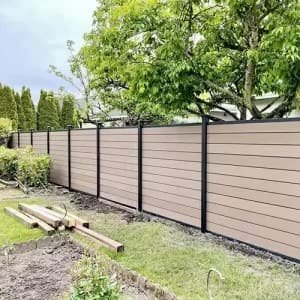
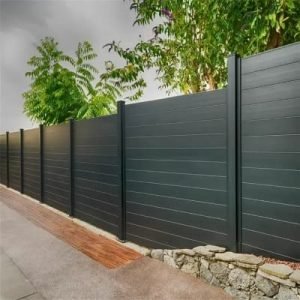
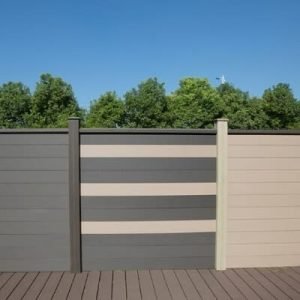
WPC Fencing
Composite Fences

Best Practices for Maintaining Composite Fence Panels

Removing Dirt and Mud

Outdoor composite fences are naturally exposed to soil, dust, and debris. To clean surface dirt effectively:

  • Use a broom to remove loose mud and debris from the fence surface

  • Prepare a mild soap-and-water solution

  • Gently scrub the fence using a soft-bristle brush or cloth

  • Always clean along the grain direction to avoid surface marks

Avoid abrasive tools or harsh scrubbing, as they may damage the textured surface.


Cleaning Chalk Residue

Temporary chalk markings can usually be removed with ease.

  • Rinse with clean water and wipe using a soft sponge

  • Light scrubbing is sufficient for most chalk residue

  • Avoid using colored or construction chalks on WPC fencing, as they may leave stains

For temporary markings, standard white chalk or baby powder is a safer alternative.

Wpc Fencing
Composite Fencing

Handling Grease and Oil Stains

Composite fencing is engineered with a protective outer layer that resists common outdoor contaminants such as grease and oil. If spills occur:

  • Wipe the area promptly with a soft cloth

  • Clean using mild soapy water

  • For stubborn stains, apply a general-purpose household cleaner

Thanks to the capped surface design, grease and oil remain on the surface and do not penetrate the fence material.


Preventing Mold and Mildew Growth

Although composite fences are suitable for humid and outdoor environments, mold can form if organic debris and moisture remain trapped on the surface.

To minimize mold and mildew:

  • Remove leaves, dirt, and organic debris regularly

  • Clean the fence surface with a mild cleaner

  • Gently scrub affected areas using a soft brush

  • Rinse thoroughly with water

Performing a deeper cleaning once or twice a year is recommended, especially in shaded or high-humidity areas.

Composite Fencing
WPC Fencing

Why Choose TRWPC Composite Fencing

TRWPC composite fences are designed for outdoor durability, weather resistance, and easy maintenance. With a capped composite structure, they resist moisture, UV exposure, dirt buildup, and common stains—making them an ideal solution for long-lasting fencing projects.

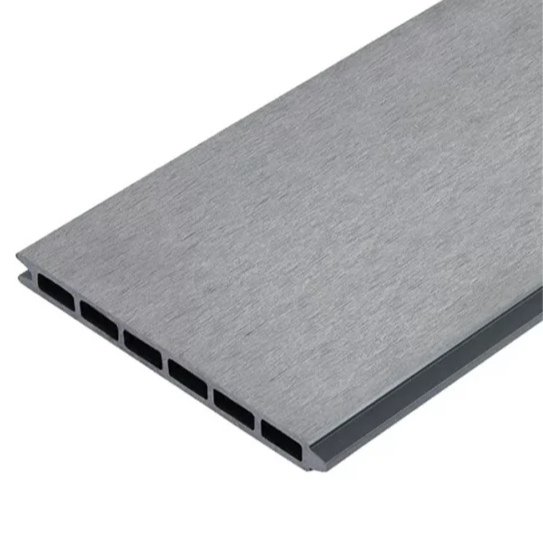
Light Grey Fence Panel 768x543
LightGrey Composite Fencing Panel
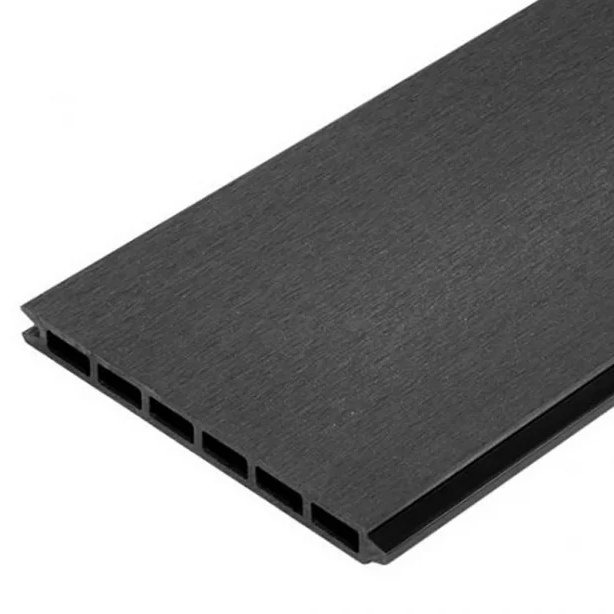
Anthracite Composite Fencing Panels1 768x614
Anthracite Composite Fencing Panel
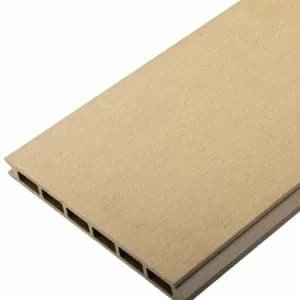
Teak Composite Fence Panels
Teak Composite Fencing Panel
Oak Composite Fence panels
Oak Composite Fencing Panel

Contact Us

More To Explore

Your Trusted Partner in China

Get in Touch