

When planning an outdoor living space, choosing the right decking material is one of the most important decisions. In recent years, WPC composite decking has become one of the fastest-growing alternatives to traditional wood decking thanks to its durability, low maintenance, and modern appearance.
Unlike natural timber, TRwpc WPC composite decking boards are engineered materials made from recycled wood fibers, HDPE plastic, and performance-enhancing additives. The combination creates a strong, weather-resistant outdoor flooring product that keeps the natural texture of wood while overcoming many of the common problems associated with traditional timber decking.
Typically, TR series composite decking is manufactured using approximately:
- 55% wood fiber
- 35% recycled HDPE plastic
- 10% additives for stability and durability
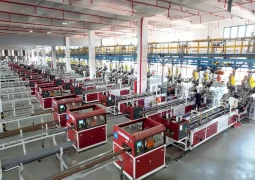
The material is produced through a high-pressure extrusion process. During manufacturing, the boards are heated, shaped, compressed, and cooled slowly to ensure consistent quality and structural stability.
The final result is a decking board that offers the visual warmth of wood while requiring far less maintenance over its lifetime.

Long-Term Value of Composite Decking
Although the initial investment for WPC decking wholesale products may sometimes be slightly higher than low-grade wood, the long-term savings are significant.
With wood decking, owners often spend money on:
- Painting
- Sanding
- Sealing
- Repairs
- Replacement boards
In contrast, TR composite decking boards require very little maintenance and can maintain their appearance for decades.
This greatly reduces lifetime ownership costs.
Durability and Weather Resistance
Outdoor flooring materials must survive harsh weather conditions year after year.
TR WPC composite decking offers excellent resistance against:
- Rain and moisture
- UV exposure
- Mold and mildew
- Insects and termites
- Rot and decay
- Surface cracking
Unlike traditional timber, composite decking remains structurally stable even in changing temperatures and humid climates.
With proper installation, many TRwpc decking systems can last 25–30 years or more.
More Colors and Surface Options
Another major advantage of TR composite decking is design flexibility.
Natural wood has limited color variation, while composite decking is available in a wide range of finishes.
Popular options include:
- Grey
- Charcoal
- Teak
- Coffee
- Redwood
- Walnut
- Light grey wood tones
Different surface patterns are also available:
- Traditional wood grain
- Deep embossed textures
- Anti-slip grooves
- Brushed finishes
Custom color services are also available for distributors and large projects.
Types of TRwpc Composite Decking
Co-Extrusion vs Traditional Decking
Traditional WPC Decking
Traditional composite decking offers excellent durability and cost performance. It is suitable for many residential and commercial projects.
Popular options include:
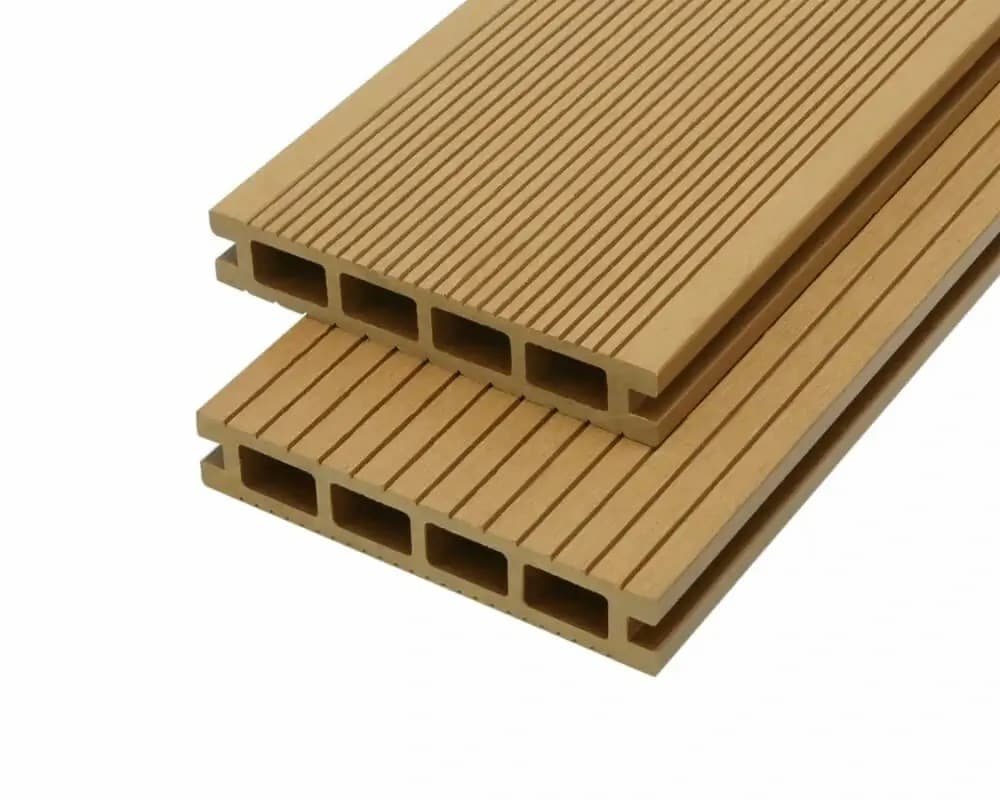
- Hollow decking boards
- Solid decking boards
- Deep embossed decking
These products are economical while still providing strong outdoor performance.
Co-Extrusion WPC Decking
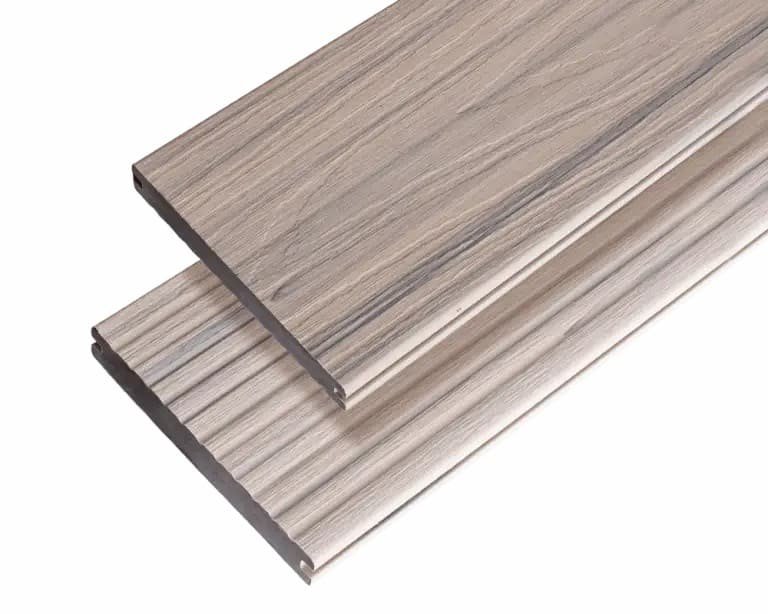
TR co-extrusion decking features an additional protective outer layer surrounding the board.
Advantages include:
- Better stain resistance
- Improved UV protection
- Enhanced scratch resistance
- Longer-lasting color stability
- Easier cleaning
For premium outdoor projects, capped co-extrusion decking is often the preferred solution.
Hollow vs Solid Composite Decking
Hollow WPC Decking
Hollow boards contain internal chambers that reduce weight and material usage.
Advantages:
- Lightweight
- Easier transportation
- Cost-effective
- Simple installation
Suitable for standard residential projects.
Solid WPC Decking
Solid boards are denser and heavier, offering stronger load-bearing performance.
Advantages:
- Higher structural strength
- Better sound absorption
- More premium feel
- Suitable for commercial projects and heavy traffic areas
Why Choose TRwpc?
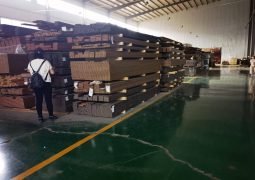
As a professional China WPC decking manufacturer and supplier, TRwpc provides complete outdoor decking solutions for distributors, contractors, and project developers worldwide.
Our advantages include:
- Advanced production technology
- Stable product quality
- Wide range of decking styles
- OEM & custom services
- Competitive wholesale pricing
- Professional installation support
From traditional decking to premium co-extrusion products, TRwpc offers reliable solutions for modern outdoor living spaces.