In modern outdoor design, fencing is no longer just a boundary—it plays a key role in privacy, safety, and overall visual appeal. Vertical composite fencing has emerged as a smart solution for homeowners and commercial projects seeking the warmth of wood combined with the durability and low maintenance of advanced composite materials.
This guide explains what vertical composite fencing is, why it’s considered an eco-conscious alternative, its key advantages, and what to consider before choosing it for your project.
What Is Vertical Composite Fencing?
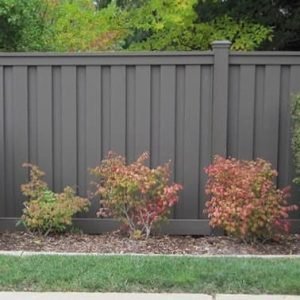
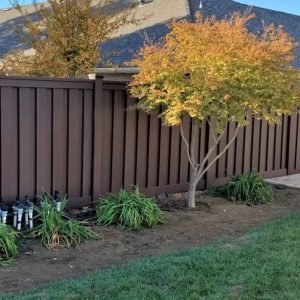
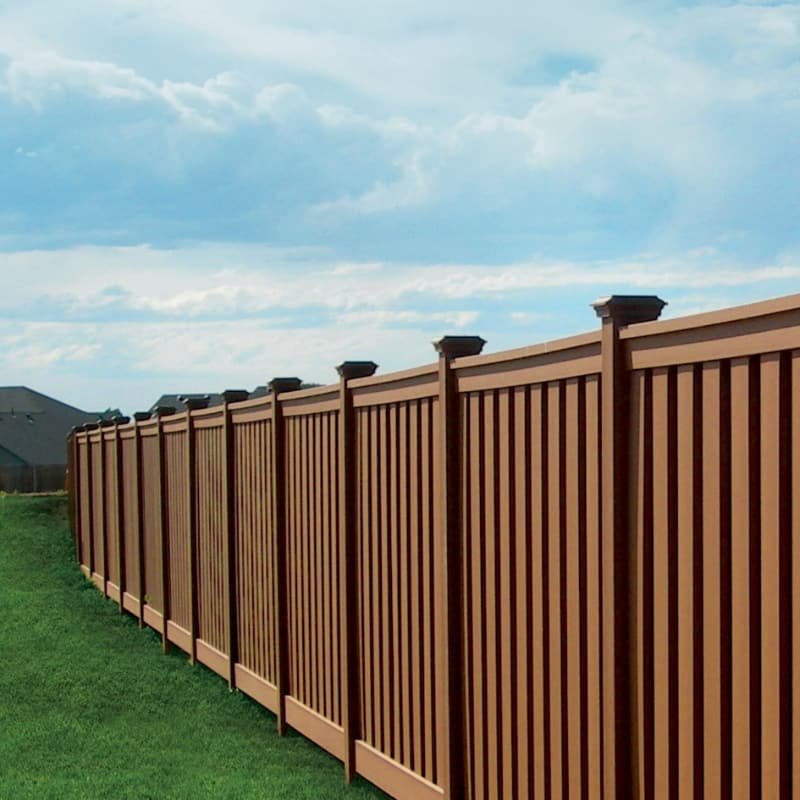
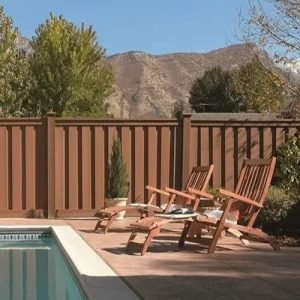
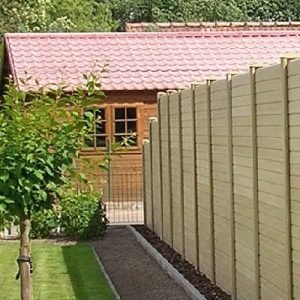
Vertical composite fencing, often referred to as vertical WPC fencing, is manufactured from a carefully engineered blend of recycled wood fibers and high-performance plastic. This combination creates fence panels that are structurally stable, weather-resistant, and visually similar to natural timber—without the drawbacks of traditional wood fencing.
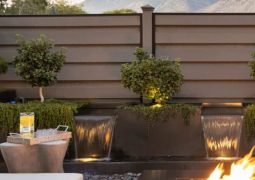
Thanks to its strong waterproof and UV-resistant properties, vertical composite fencing is widely used for garden fences, backyard enclosures, patio dividers, cottage fencing, gates, and exterior boundary systems. Its vertical board design also adds a clean, modern appearance that complements both residential and commercial landscapes.

Is Vertical Composite Fencing Environmentally Friendly?
Yes. Vertical composite fencing is widely recognized as a sustainable fencing solution. It is produced using recycled materials and has a significantly longer service life than conventional timber fences. This extended lifespan reduces the need for frequent replacement and helps minimize deforestation.
By choosing WPC fencing, environmentally conscious homeowners and developers can reduce material waste while still enjoying a high-quality, long-lasting fence system.

Key Advantages of Vertical Composite Fencing
Enhanced Privacy & Security
Vertical composite fence panels are designed with tightly interlocked boards that eliminate gaps. This construction ensures excellent visual privacy and helps protect your property from unwanted access or outside distractions.
Stable Structure with No Warping
Unlike traditional wood fencing, vertical WPC fencing resists bending, cracking, and deformation. The reinforced interlocking system keeps panels firmly in place, even in changing weather conditions.
Low Maintenance & Easy Care
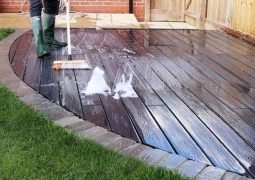
One of the biggest benefits of composite fencing is its minimal upkeep. Vertical composite fencing does not require painting, staining, or sealing. Simple cleaning with water and mild soap is enough to keep it looking new.
Insect & Termite Resistance
Thanks to its composite structure, vertical WPC fencing is naturally resistant to termites, insects, mold, and moisture damage—making it ideal for long-term outdoor use.
Are There Any Drawbacks?
The primary consideration when choosing vertical composite fencing is the initial investment cost, which can be higher than that of standard wooden fences.
However, when factoring in durability, minimal maintenance, and long service life, composite fencing often proves to be more cost-effective over time. You avoid repeated repairs, replacements, and ongoing maintenance expenses commonly associated with timber fencing.

Final Thoughts
Vertical composite fencing offers a balanced solution for those seeking privacy fencing, decorative fencing, and durable outdoor enclosures. With its modern vertical design, eco-friendly materials, and long-lasting performance, it is an excellent alternative to both wood and vinyl fencing.
For projects that value aesthetics, sustainability, and low maintenance, vertical WPC fencing is a smart long-term investment.