How Weather-Resistant Is Composite Timber Cladding?

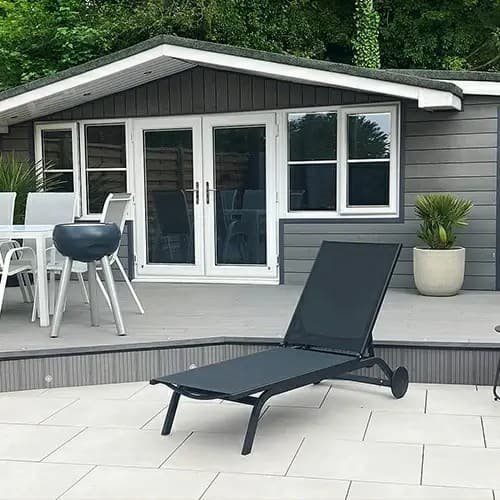
Exterior wall cladding must perform reliably under harsh outdoor conditions. Continuous exposure to sunlight, heavy rain, snow, and strong winds can quickly damage traditional timber. Natural wood tends to swell, crack, fade, and decay over time, especially in demanding climates.

This is why composite timber cladding has become a preferred alternative for modern exterior wall systems. Designed for long-term outdoor use, composite cladding offers superior durability, stability, and weather resistance.

In this guide, we explain what composite timber cladding is, how it achieves waterproof performance, and how it responds to different weather conditions.
Understanding Composite Timber Cladding

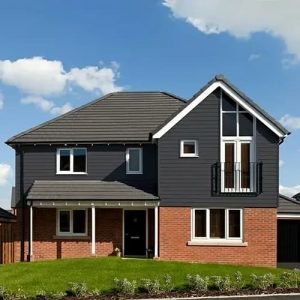
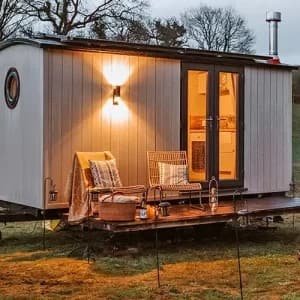
Composite timber cladding, also known as WPC wall cladding, is produced by combining recycled plastic materials with refined wood fibers. These raw materials are blended under high temperature and pressure to form strong, dimensionally stable cladding boards.

Unlike natural timber, composite cladding does not rely solely on organic material. The plastic component significantly improves resistance to moisture, insects, UV exposure, and environmental aging, making it a long-lasting solution for exterior wall decoration.

Wpc Cladding
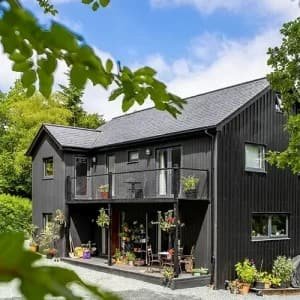
Composite Timber Cladding

Why Composite Timber Cladding Is Water-Resistant

The plastic used in composite cladding panels is typically derived from recycled packaging materials such as bottles and containers. These polymers are inherently waterproof and do not absorb moisture.

Many high-performance composite wall cladding systems also feature a protective surface layer that blocks water penetration. This allows rainwater to run off easily instead of soaking into the material, preventing swelling, rot, and internal damage.

By using recycled plastics responsibly, manufacturers like TRwpc help reduce environmental pollution while delivering durable outdoor building materials.

WPC Cladding
Composite Wood Cladding

Performance in Different Weather Conditions

Rain & Moisture

Composite timber cladding panels are non-porous, meaning they do not absorb rainwater or humidity. Even in wet or coastal environments, the boards maintain their shape and strength without cracking or delaminating.


Wind & Storm Resistance

Thanks to precision-engineered installation systems such as tongue-and-groove or concealed fixing structures, composite cladding boards lock tightly together. This structural integrity allows the panels to withstand strong winds and severe weather without loosening or detaching.

WPC Cladding
Composite Timber Cladding

Heat & UV Exposure

Traditional wood cladding often fades, warps, or splits under prolonged sunlight. In contrast, composite timber cladding is engineered to be UV resistant and heat stable. The material maintains its color and surface texture even after long-term exposure to intense sunlight.

High-quality composite cladding will not bend, melt, or blister in hot climates, making it ideal for regions with extreme temperatures.


Why Choose TRwpc Composite Timber Cladding

TRwpc composite timber cladding boards are designed for demanding outdoor environments. They combine excellent weather resistance, fade resistance, and long service life with a natural wood-like appearance.

Whether used for residential villas, commercial buildings, or architectural facades, composite timber cladding provides a reliable, low-maintenance, and sustainable exterior wall solution.

Wpc Cladding2 Wh 500x500px
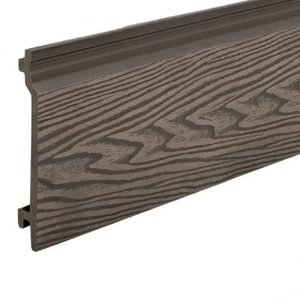
3D Embossed Composite Timber Cladding
Wpc Wall Cladding1 Wh 500x500px
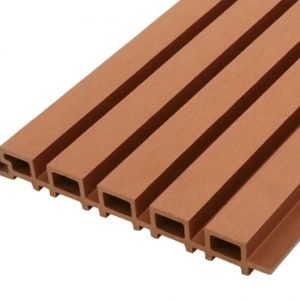
Redwood Composite Timber Cladding
Wpc Wall Cladding Wh 500x500px
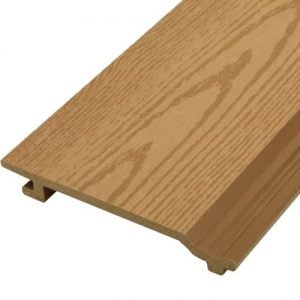
Wood-effect Composite Timber Cladding

Contact Us

More To Explore

Your Trusted Partner in China

Get in Touch